
Why Videos Help eCommerce
Wondering why videos help eCommerce? This blog post is going to breakdown exactly why video is such a useful tool for eCommerce. Firstly showing some statistics to backup it’s effect.…

Your blog is an unbeatable method of showing the world that you are THE expert in your field. It’s your way of providing just enough advice and insight to capture your audience’s attention and leave them wanting more.
It’s also a great tool for driving traffic to your website and getting more eyeballs on your products and services.
That is… when you’re doing it right.
Basically? You need to make your content easily discoverable. You need to force it in front of people. Make it irresistible to those all important search engines.
Luckily, maximising your SEO gains isn’t as hard as you might think.
Here are my top 11 tips on blogging for SEO success.
1. Keep your audience in mind
It’s the 101 rule of content production. And yet, too often, it’s the rule that gets ignored.
Creating quality content that your audience actually wants to read is the first step towards SEO success.
You need to consider; what are your audience’s pain points? How can you solve them? What value can you deliver to them?
By answering those questions, you are providing content your audience is actively searching for.
2. Define your keywords
Before you even start writing your first word, you need to decide what keywords you are going to focus on. These are the search terms you want to be ranked for with that specific blog.
In the past, we’ve been told that “keyword stuffing” paves the road to success. We now know that too many keywords is actually detrimental to your SEO. It leaves your copy feeling awkward to read and, hence, becomes a massive turn off for Google.
As a general rule, strategically placed keywords covering 1 – 2% of your content is a good number to aim for.
3. Pay attention to your title
Did you know that only 20% of people who read your blog title will go on to read the rest of your blog?
That means you’re losing 80% of readers due to mediocre titles. Ouch.
Your title is your first impression. It’s how you set up both your readers and Google by telling them precisely what they’re going to gain by committing to your content.
It should be short and snappy; ideally less than 60 characters. It should also include your keyword, but no more than once – anything more, and Google will see it as spam!
Research suggests that the following title formats are also the most successful in driving traffic:
So next time you write a blog, why not give one of these formats a go?
4. Make your URL relevant
First thing’s first – don’t just stick with the automated URL your blog comes up with. Tailor it to make it relevant and recognisable for your content.
Your URL should feature your primary keyword and be – like your title – short and simple. An easy (and useful) way to guarantee this is by removing stop words; articles such as “a, the, on, and, or”.
In addition, use hyphens to separate your words. This helps Google to understand your word breaks and, as a result, the mission of your blog.
5. Write a first-class meta description
Your meta description is your blog advert. It needs to sell what you’ve got in just a handful of words.
Your meta description is that short snippet of text that appears under your URL in search results. So the more attractive your meta description, the more intrigued readers will be. Hey presto, your click through rates will soar.
Again, make sure your important keywords are featured… but not jam packed. Keep the copy readable, engaging and original.
6. Use image ALT tags
An image ALT tag is the text that appears if your image doesn’t appear on the screen.
Adding in relevant tags (that perfectly relate to your copy) is a really easy way to help Google crawl and rank your site, boosting your position and making you more visible to more people.
7. Craft evergreen content
Evergreen content is content that lasts the test of time.
AKA: it is always relevant. Even years down the line, it can provide value to its reader.
Of course, there is always a benefit to posting “responsive” articles on time sensitive events. It shows you are switched on and at the top of your game.
But if you want your blog to continuously work in the background, you need to be producing content that is interesting and sustainable, all year round.
8. Focus on user experience
Folk can be pretty hard to please. And if you want them to stick around on your blog (and come back for more) you need to make it as easy for your audience as possible.
By this, I mean:
This will give your readers the best user experience possible – one of the key factors in SEO ranking.
9. Share, share, share!
Social media is one of the easiest – and quickest – ways to boost your SEO organic traffic.
Don’t just post your blog and leave it to the hands of fate. Actively share, share and share it again.
Repurpose it across your different platforms, using direct links to push more people to your brilliant content. Don’t miss this fail-proof opportunity.
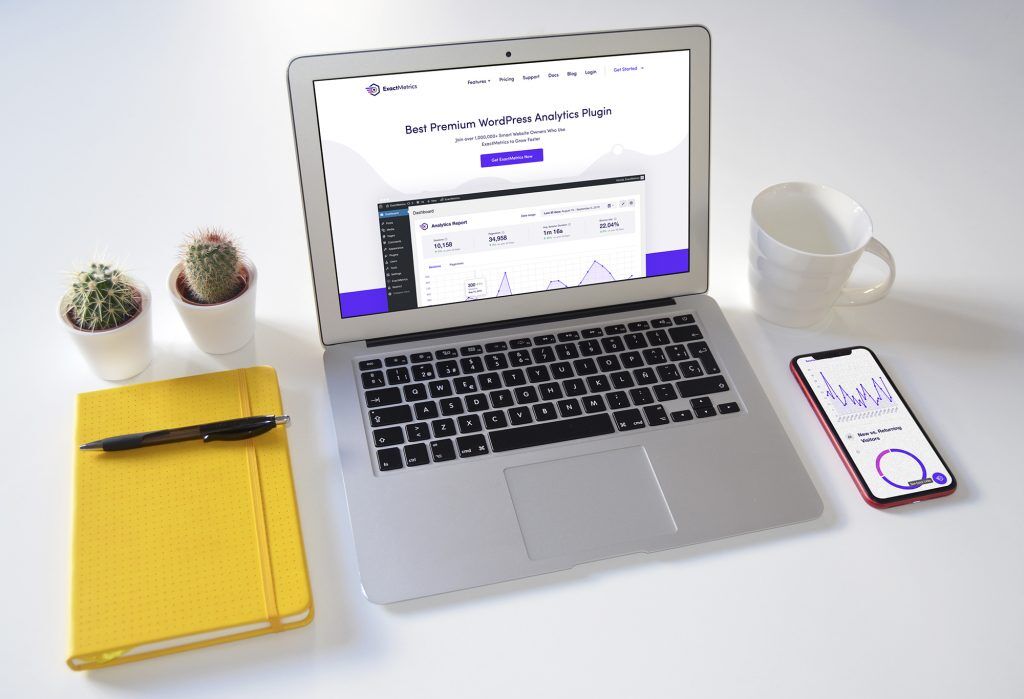
10. Make use of WordPress plugins
As a WordPress mega-fan, this one has been a major one for me.
WordPress has a bunch of simple but effective plugins that help you rank higher for SEO with clear, concise tips.
Some of my favourites are:
11. Be consistent!
Whether you want to blog every day, once a week or once a month… be consistent with it!
As with most digital platforms, search engines value consistency, and so do “real life” people.
Create a blogging calendar and stick with it. The world will thank you.
And… deep breath. I hope that’s given you a flavour of the MANY ways you can optimise your blogs for better impact. If you want to have a chat about any of these points, get in touch. I’m always happy to geek out over SEO.


© Littlebigbox Limited is a company registered in England (Company No. 13663893) Romsey, SO51 6BY. (VAT No. GB448056874). All Rights Reserved · Privacy Policy